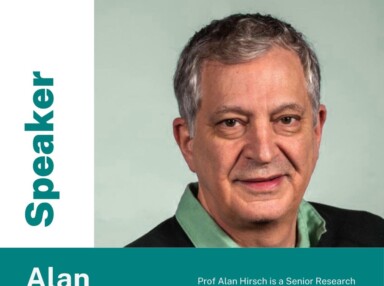
Alan Hirsch in The Conversation: Addressing anti-foreigner violence in South Africa
On 9 June 2026, The Conversation published an article by Alan Hirsch, Head of the New South Institute’s Migration Governance Reform programme, examining the recent rise in anti-foreigner violence in South Africa and the policy failures that have allowed tensions to escalate.
The article argues that threats and attacks linked to migration are spreading rapidly, with online disinformation, organised mobilisation, and irresponsible political rhetoric contributing to a volatile environment. Hirsch notes that President Cyril Ramaphosa’s recently announced five-point plan contains measures that have largely been promised before, including stronger law enforcement, dedicated immigration courts, action against undocumented employment, border management, and anti-corruption reforms. The central challenge, he argues, is not the absence of commitments, but the slow and limited implementation of existing ones.
Hirsch also outlines additional steps that could help reduce violence and address the conditions that make anti-foreigner mobilisation effective. These include building a cross-party political front against xenophobic incitement, mobilising civic and religious institutions, renegotiating outdated bilateral labour agreements with neighbouring countries, and confronting South Africa’s unemployment crisis and weaknesses in public services.
These concerns are closely aligned with NSI’s Migration Governance Reform programme, which examines how migration is managed in South Africa and across the continent. The programme focuses on practical policy questions, including migration data, civil registration, identification systems, border management, and cooperation between African states. Its work includes analysis of continental initiatives for mobility, such as the African Union’s Free Movement Protocol, and their implications for migration governance and regional mobility.
The article situates the current crisis within broader questions of migration governance, regional labour mobility, and social cohesion. It argues that while economic hardship makes communities vulnerable to mobilisation, more can be done immediately to reduce the political and social sparks that drive violence.
Read the full article on The Conversation.